Essential oil diffusers and bath rituals look simple, which is exactly why so many aromatherapy mistakes creep into everyday routines. A diffuser placed in the wrong spot, a bath oil used at the wrong moment, or a blend expected to perform like medicine can all undermine the experience. This piece looks at where these misunderstandings come from and what the products are actually designed to do, from waterless diffusion to proper bath oil sequencing.
Waterless Diffusion Technology: Why The Atomiser Works Differently
A common assumption is that every diffuser needs water to function, but that is not true across the category.
Aromatherapy Associates makes The Atomiser, a waterless essential oil diffuser that disperses a micro-fine mist directly from the essential oil bottle. Because no water is involved, the aroma released stays undiluted rather than being carried on steam or vapour. The device is rechargeable and cordless, with a ceramic design meant for moving between rooms rather than sitting fixed to one socket.
There is also Atomiser Connect, which uses nebulising technology for the same undiluted diffusion in a heatless and waterless format. Both devices preserve the integrity of the oil for diffuser use, since no heat source alters the blend before it reaches the air. Assuming all diffusers behave identically, and need refilling with water, is one of the easiest aromatherapy mistakes to correct once the mechanism is understood.
Bath and Shower Oils Are Not Cleansing Products: Understanding Their True Purpose
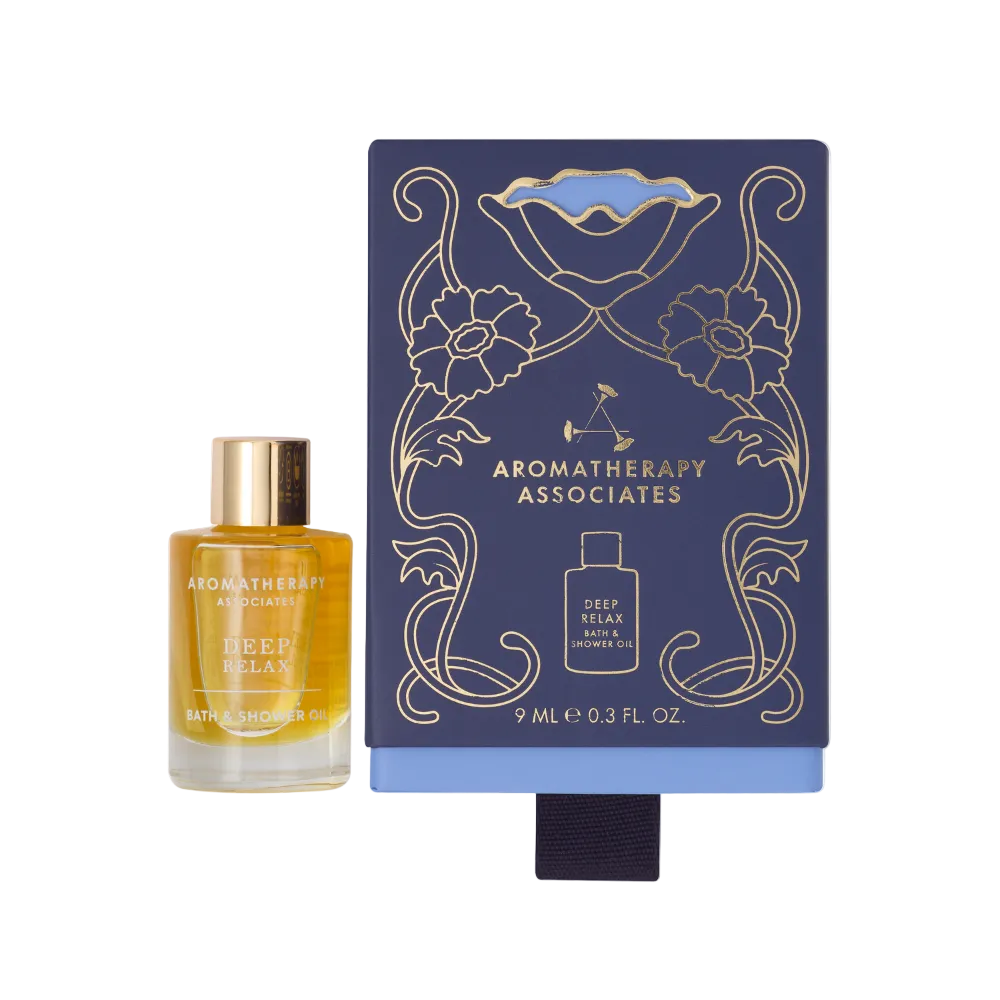
Bath and shower oils are frequently mistaken for a substitute for soap or body wash, which misreads their purpose entirely. The Deep Relax Bath & Shower Oil from
Aromatherapy Associates is designed to be massaged onto the shoulders, torso, and lower back before stepping into water, with cleansing happening afterward as a separate step. The oil itself carries Vetivert, Camomile, and Sandalwood, chosen for an evening-focused aromatic ritual rather than for lathering or rinsing away dirt.
This distinction matters because applying the oil only once already in the water, or expecting suds, misses the intended sequence entirely. The travel-size version of the same formula follows the identical application method, massaged in first and cleansed afterward. Treating a bath oil like plain soap is one of the more persistent aromatherapy mistakes, since the packaging and texture can resemble a standard wash.
Essential Oil Blends Cannot Replace Medical Treatment
Aromatherapy products are positioned around wellbeing rituals, not clinical outcomes, and the two should not be conflated. Pure essential oil blends, such as those found in the Essential Oil Blends Collection from
Aromatherapy Associates featuring Revive, De-Stress, and Deep Relax, are described as supporting different moments of the day rather than treating any condition. Reading a wellbeing product as a medical one is where several aromatherapy mistakes originate, often because the sensory experience feels powerful in the moment. That gap between sensory impression and medical claim is worth remembering whenever a blend is chosen for a specific mood.
Misconceptions About The Deep Relax and Revive Collections
Deep Relax and Revive are sometimes assumed to be interchangeable, simply because both appear across several formats including bath oils, mists, and diffuser blends. In practice, Deep Relax centres on Vetivert, Camomile, and Sandalwood for an evening or sleep-focused ritual, while the Revive Morning Mood Mist combines Grapefruit, Juniper Berry, and Rosemary with Ginseng for energy. Swapping one for the other, while expecting the same aromatic effect, misunderstands how each blend was composed for a different part of the day.
Aromatherapy Associates lists both collections separately across its bath, mist, and diffuser oil ranges rather than as one single line.
Concentration and Application Errors in Daily Aromatherapy Rituals
Dilution and quantity sit at the centre of a lot of confusion, particularly around how much oil a single ritual actually needs. Travel versions, such as the Travel Deep Relax Bath & Shower Oil from
Aromatherapy Associates, follow the same one-capful guidance as the full-size product. That consistency suggests volume alone does not change the intended amount of oil used per application. The Ultimate Bath & Shower Oil Collection reinforces this point as well, offering 10 separate 9ml concentrated oils, each meant for a single use rather than repeated dosing from one capful.
- Diluting essential oils with the wrong ratio can leave a blend too weak to register on the skin or in the air.
- Placing a diffuser in a space that is too large, or too drafty, scatters the aroma before it settles.
- Applying a bath oil after entering the water, rather than before, skips the massage step the product is formulated for.
- Expecting an immediate shift in mood or sleep quality from a single application overlooks that these rituals are built around repetition, not instant effects.
Why Heat and Water Damage Essential Oil Integrity
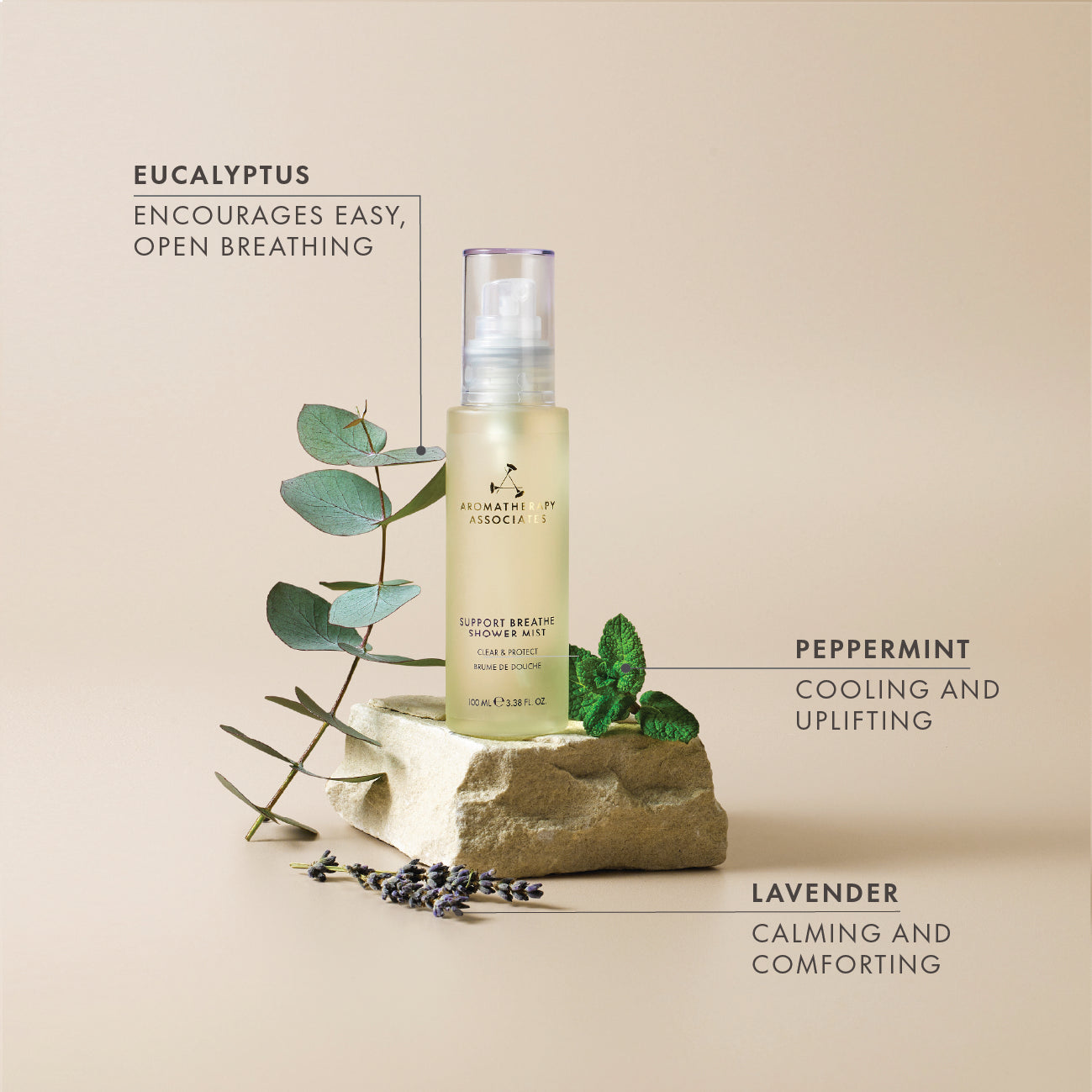
Heat and water are two of the fastest ways to compromise an essential oil blend, which is part of why waterless design matters for diffusion. The heatless, waterless construction of Atomiser Connect is built specifically to preserve the oil as it was blended, without steam or warmth altering its composition. Storing oils near heat sources, or adding them directly to hot water rather than applying them beforehand, runs against the same principle and repeats one of the common aromatherapy mistakes covered earlier.
Diffuser oils, including seasonal blends such as Winter Wellbeing and Forest Therapy, are described as 100% natural and pure, which is part of why undiluted delivery gets emphasised across the range. That emphasis on purity is also why the product pages repeatedly note waterless or heatless mechanisms rather than treating them as incidental details. Recognising this helps explain why so many mistakes trace back to water or heat exposure rather than to the blend itself.
Understanding how diffusers disperse oil, and how bath rituals are sequenced, clears up most of the confusion surrounding aromatherapy at home.