Wireless home audio systems have changed how music and television sound move through a house, replacing tangled speaker wire with WiFi connections that link rooms together.
Sonos is one of the most recognized names building this kind of connected, multiroom setup. This article looks at how the category works, where this brand fits, and what separates a true wireless home audio system from a single standalone speaker.
Multiroom Audio and How It Differs From a Traditional Stereo
A wireless home audio system is a group of speakers that communicate with each other over a home network instead of through cables. Multiroom speaker setups let a household play the same song in several rooms at once, or send different audio to each room independently. That flexibility is the main thing that separates this category from a traditional stereo, which usually lives in one spot and stays there.
Traditional audio setups tend to center on a single receiver wired to a pair of speakers, with limited ability to expand beyond that one listening area. Wireless multiroom systems, by contrast, are built to grow. A household can start with one speaker in one room and add more devices over time as needs change, without rewiring anything.
How Sonos Builds Connected Audio Ecosystems Across Rooms
Sonos designs its product range so that speakers, soundbars, and subwoofers connect over WiFi and work together as a single system. According to the brand, everything works seamlessly together over WiFi, meaning a household can begin with one room and simply add more once ready. This approach is the foundation of what makes the platform a multiroom setup rather than a collection of separate gadgets.
The app is the control point for the whole setup, guiding the initial connection and ongoing playback across every linked device. Setup involves plugging in, tapping, and starting playback, with the app walking through each step. From there, streaming options include music, podcasts, radio, audiobooks, and other content drawn from a wide range of services.
Soundbars for Television: The Beam Ultra and Ray

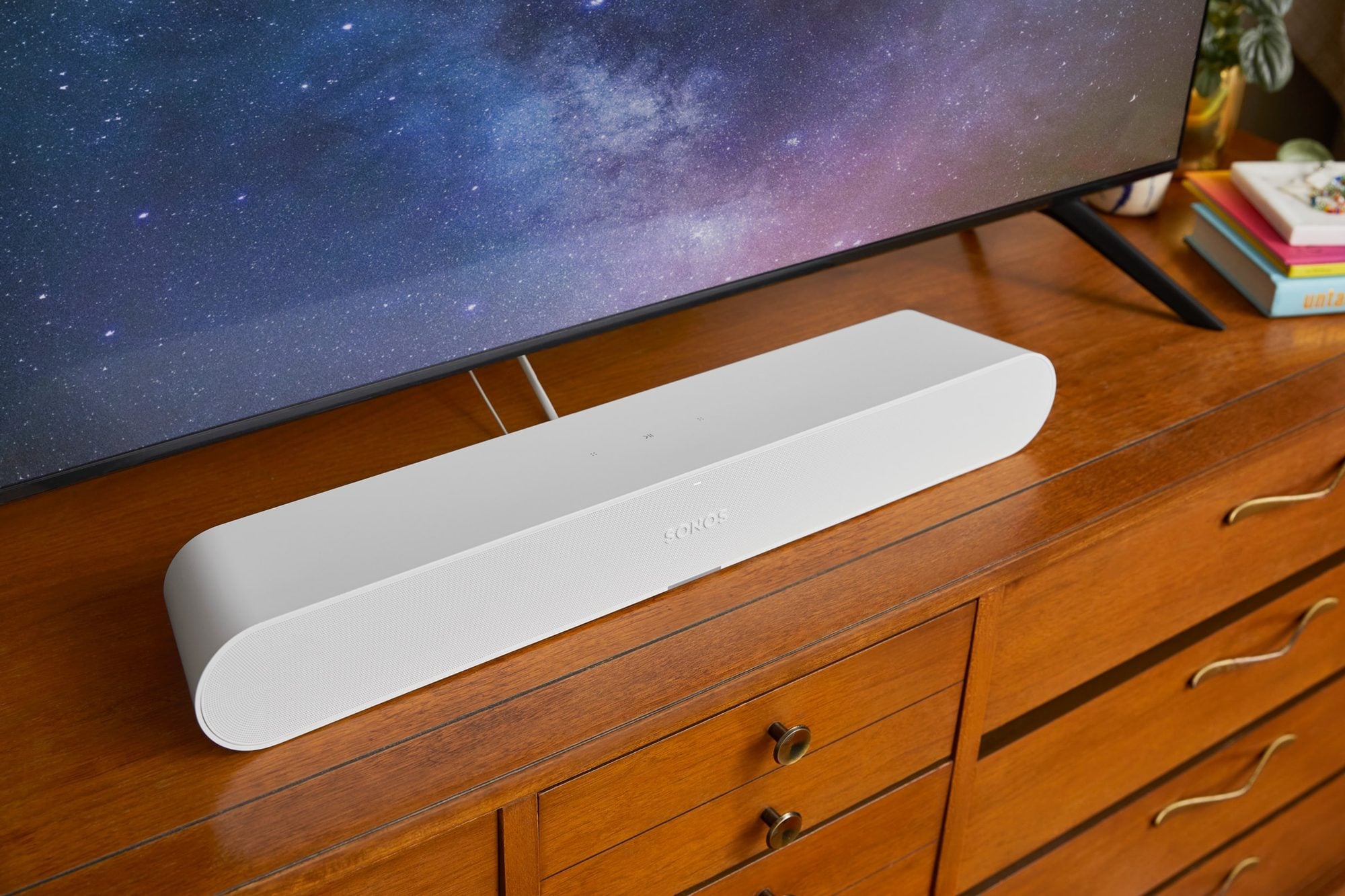
Television audio is one of the clearest entry points into a wireless home audio system. Two soundbars are aimed at that purpose: the Beam Ultra and the Ray. The Beam Ultra is positioned as a way to fill a room with more detail and more presence than built-in television speakers typically manage, while Ray is framed as a way to bring television sound into clearer focus without requiring the same footprint as a larger soundbar.
Both soundbars connect into a broader ecosystem, meaning a television setup can later be joined by additional speakers, a subwoofer, or surround speakers. The soundbar becomes a starting piece rather than a finished system, and this growth path is what separates wireless home audio systems from a fixed television sound unit bought once and never expanded.
Speakers for Music and Whole-Home Audio: Era and Roam Ranges
Beyond television sound, dedicated music speakers are built for listening throughout a home or on the move. The Era line includes the Era 100, the Era 100 SL, which omits voice control, and the Era 300, each suited to different placements around a home. The Era 100 SL is distinguished by compact stereo sound and fuller bass characteristics.
For listening outside a fixed room,
Sonos offers the Roam 2 and Move 2 to extend the same multiroom thinking to portable use. Move 2 is described as the brand's most capable portable speaker, built to move with a household rather than stay fixed in place. Other options in the wider range include Five, Amp, and Port, which serve more specialized roles such as higher-output listening or connecting existing equipment into the system.
The Role of Subwoofers and Surround Speakers in Expanding a Sonos System
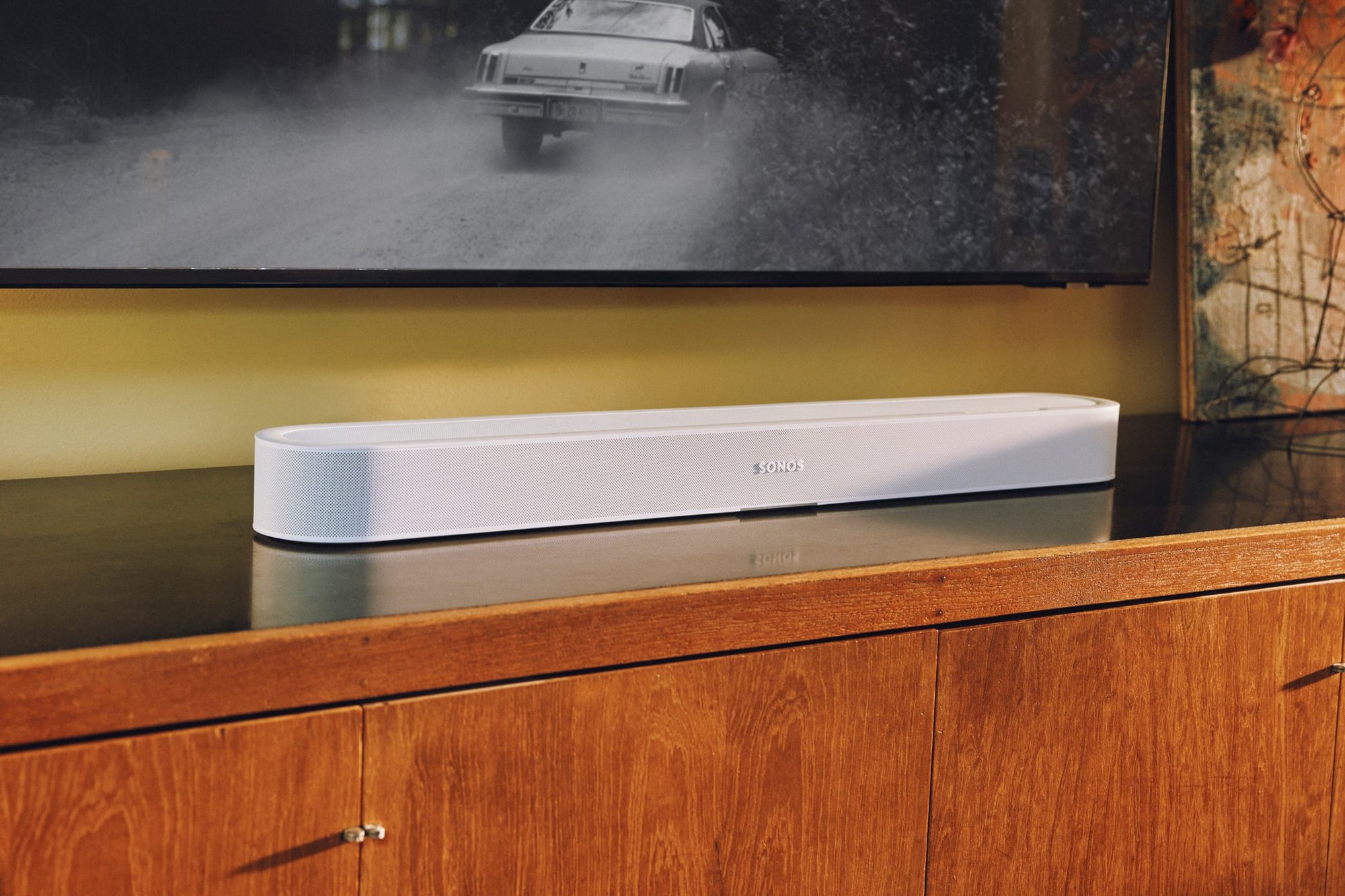
A home theater setup built around this category usually starts with a soundbar, chosen for clearer dialogue and more detailed sound than a television's internal speakers provide. From there, a subwoofer such as the Sub 4 or Sub Mini can be paired with the soundbar to add deeper low-end output. That staged growth, soundbar first and extras layered on afterward, is what keeps an early purchase useful rather than replaced outright.
Surround speakers complete the setup by sitting behind the listening area, with two matching units used to create an enclosing sound field around a room. This means a starting setup is not wasted if interests shift toward fuller home theater sound later.
- Multiroom systems connect multiple speakers over WiFi rather than requiring a single wired source and a fixed listening position.
- Product ranges are built to expand gradually, starting with one speaker or soundbar and adding more units over time.
- Soundbars, subwoofers, and surround speakers can be combined into one connected home theater setup rather than sold as a single sealed unit.
- Portable options like Roam 2 and Move 2 extend the same connected approach beyond a single fixed room.
- Dedicated tuning technology such as Trueplay adjusts sound to the specific space a speaker occupies, something a standalone speaker typically cannot do.
Trueplay Tuning and Room Adaptation Technology

One of the more distinct pieces of technology in the range is Trueplay, a proprietary tuning process that adapts sound to the surroundings a speaker is placed in. Rather than producing identical output regardless of a room's shape or furnishings, this tuning adjusts the listening experience to the actual space. Over 4,000 patented innovations across the product lineup support this focus on acoustics and software designed from the inside out.
This kind of room-aware tuning is one of the features that separates wireless multiroom systems from older standalone speakers, which generally offer no adjustment for the space they sit in.
Sonos combines this technology with WiFi-based connectivity and app-based control, which forms part of the broader case for treating wireless home audio systems as a distinct category rather than just a convenience upgrade on traditional wired sound.
Sound setups continue to shift from single boxes toward connected systems that expand one room at a time.