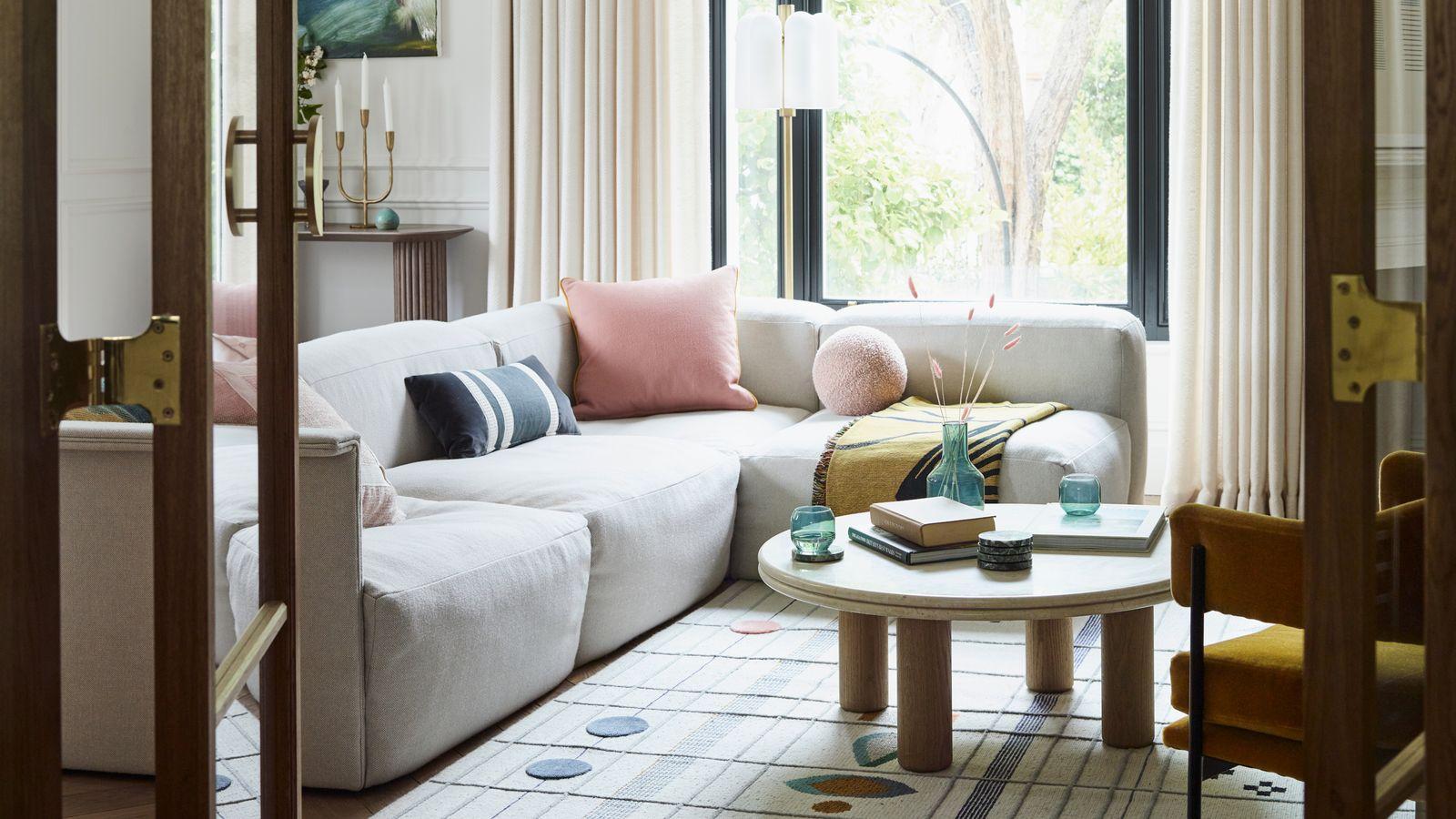
Creating a beautiful home does not necessarily require a large living area or an expensive renovation. Thoughtful furniture arrangements, balanced colors and practical decorative choices can transform even compact rooms into comfortable environments. Small-space decorating focuses on making every element purposeful while maintaining a welcoming atmosphere. From clever storage solutions to layered lighting, simple adjustments can improve both appearance and everyday functionality. Homeowners and renters looking for inspiration can explore
The Spruce, an online resource covering interior design, home improvement, cleaning and practical decorating ideas for different living spaces.
Making the Most of Limited Space With Thoughtful Furniture Choices
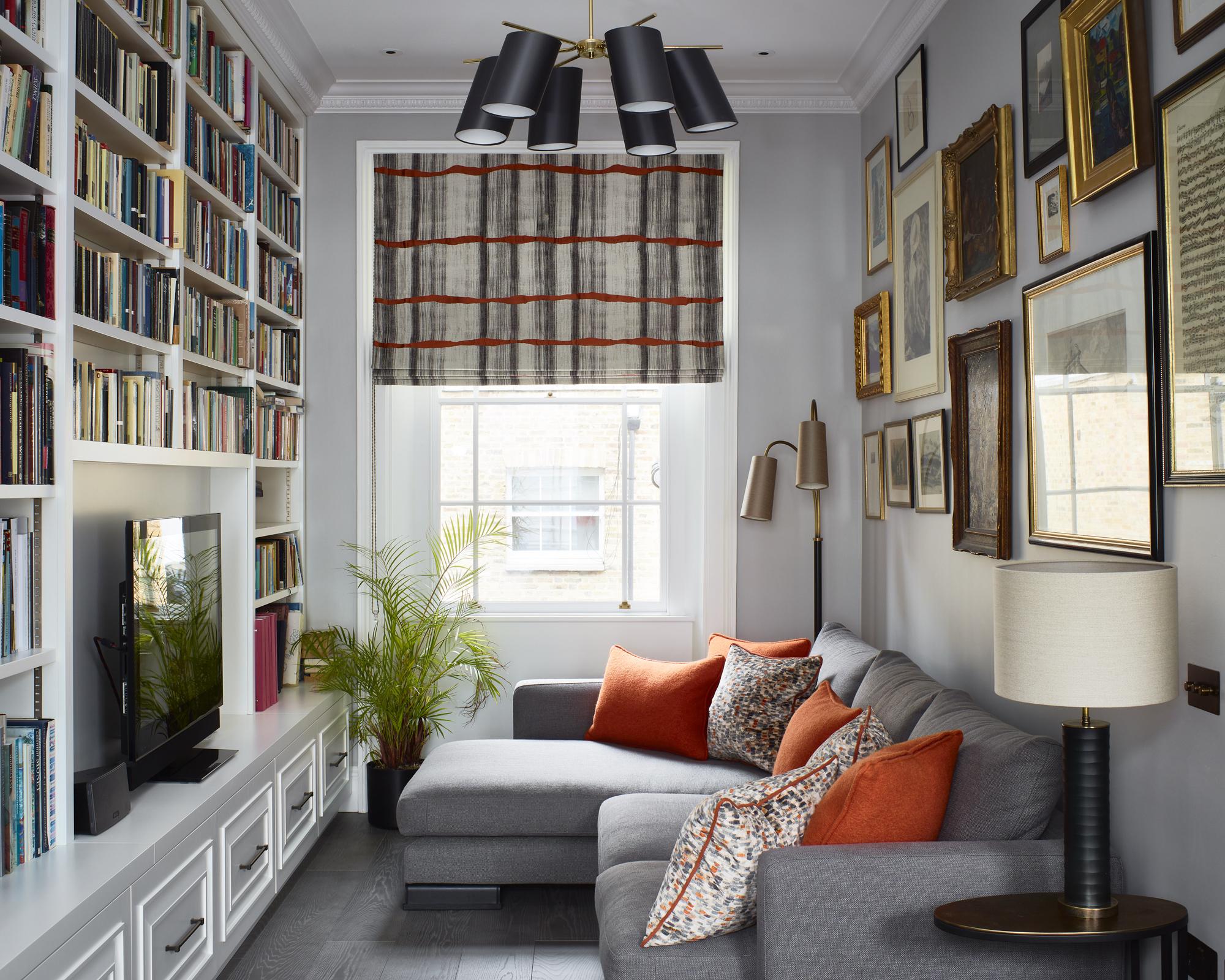
Furniture selection plays an essential role in creating a functional living environment. In smaller rooms, oversized pieces may restrict movement and make the space feel crowded. Choosing furniture with balanced proportions helps establish a more comfortable layout without sacrificing essential seating or storage.
Multifunctional furniture provides a practical way to maximize available space. Storage ottomans, nesting tables and benches with concealed compartments serve multiple purposes while reducing the need for additional furnishings. A sofa with raised legs can also create a lighter appearance by allowing more of the floor to remain visible.
The decorating guides available through
The Spruce explore approaches to furniture arrangement that prioritize movement, comfort and visual balance. These ideas demonstrate how thoughtful placement can improve the appearance of small rooms without requiring structural modifications.
Keeping pathways clear is equally important. Furniture positioned too closely together can make everyday activities inconvenient. Arranging seating around a central focal point, such as a coffee table, fireplace or window, often creates a more organized environment.
Vertical storage also provides valuable opportunities. Wall-mounted shelves, tall cabinets and floating storage units make use of areas that might otherwise remain empty. These features help preserve floor space while offering designated places for books, decorative accessories and everyday essentials.
Creating Comfort Through Color, Lighting and Texture
The atmosphere of a room depends on more than its furniture. Color selection, lighting conditions and material combinations can dramatically influence how spacious and inviting an interior feels.
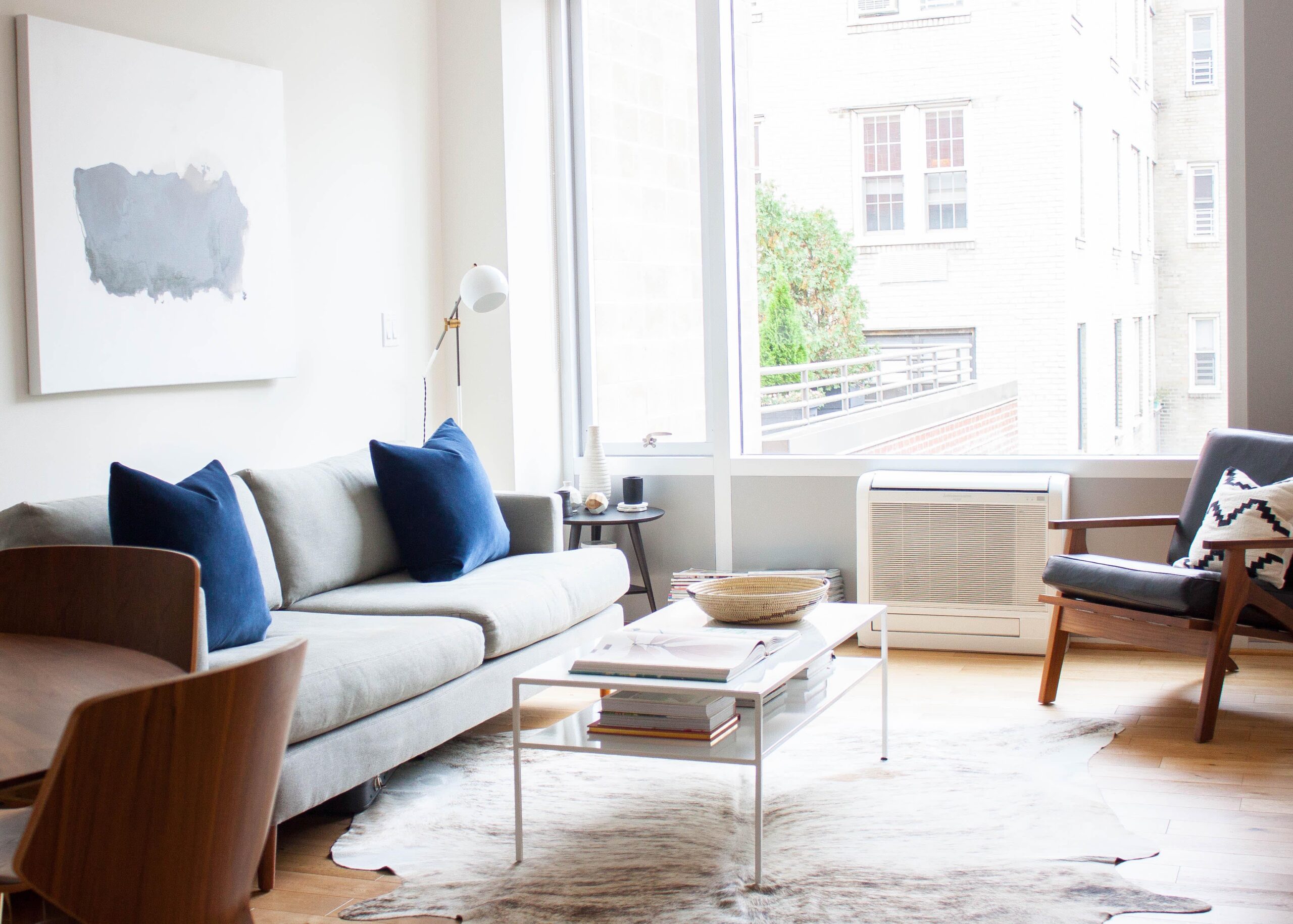
Light neutral colors are frequently used in compact rooms because they reflect available light and create a sense of openness. Shades such as cream, warm white, beige and pale gray provide versatile foundations that work with different decorating styles.
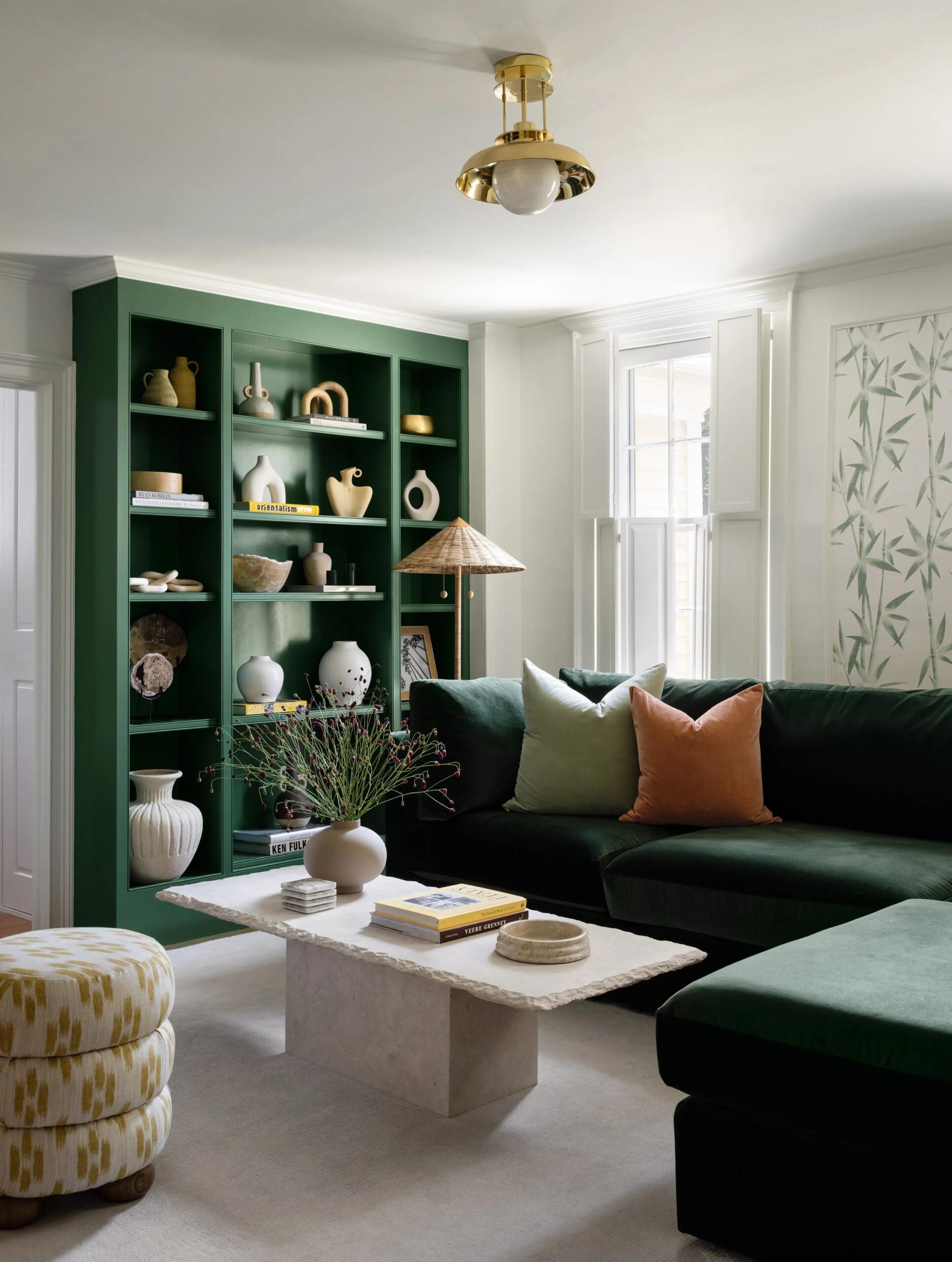
However, decorating a small room does not mean avoiding stronger colors. Deep green, navy blue and terracotta can introduce personality when used strategically. An accent wall, upholstered chair or decorative rug can add visual interest without overwhelming the surrounding space.
Lighting deserves particular attention because a single overhead fixture may not provide the ideal atmosphere throughout the day. Combining different light sources creates flexibility and helps emphasize individual areas of a room.
Home decorating advice from
The Spruce frequently highlights the importance of balancing practical design decisions with personal style. Several simple approaches can help achieve this balance.
-
Layered lighting combines ceiling fixtures, table lamps and wall lights to create a comfortable atmosphere.
-
Neutral foundations provide flexibility when introducing colorful furniture and decorative accessories.
-
Soft textiles add warmth through cushions, rugs, curtains and upholstered furniture.
-
Mirrors reflect natural light and can create the impression of additional depth.
-
Natural materials introduce organic character through wood, cotton, linen and woven accessories.
-
Thoughtful storage helps minimize visible clutter while keeping everyday belongings accessible.
Combining these elements allows a room to feel thoughtfully designed rather than excessively decorated. The goal is to create an interior that remains practical while reflecting the preferences of the people who use it.
Bringing Personality and Organization Into Everyday Interiors
A well-designed home should feel personal rather than resemble a furniture showroom. Meaningful objects, carefully chosen artwork and favorite decorative pieces can transform a neutral room into a space with distinctive character.
Personalization begins with identifying the items that genuinely contribute to the atmosphere. A collection of books, framed photographs or handmade ceramics can create visual interest when arranged intentionally. Rather than filling every available surface, homeowners can display a smaller selection of objects that complement one another.
Plants are another effective way to introduce color and natural texture. Compact indoor plants can brighten shelves, windowsills and side tables without occupying significant space. Larger varieties may serve as statement pieces in otherwise unused corners.
Organization supports the success of these decorating choices. When everyday belongings have designated storage locations, decorative features become more noticeable. Baskets, drawer dividers and concealed storage compartments can simplify household routines while maintaining a polished appearance.
Readers exploring
The Spruce can find ideas for combining decorative styling with practical home organization. This approach is particularly useful in apartments where living, working and relaxation areas may share the same room.
Creating distinct functional zones can also improve comfort. A small reading corner might include an armchair, floor lamp and compact side table, while a separate workspace can be established using a narrow desk or wall-mounted surface.
Consistency helps connect these areas visually. Repeating selected materials, colors or decorative details throughout the room creates a sense of unity even when the furniture serves different purposes.
Developing a Home That Balances Style and Practicality
Successful interior decorating is an ongoing process rather than a single project. Household needs change, personal preferences evolve and living spaces often serve different functions over time. Flexible decorating decisions make it easier to adjust a room without replacing its entire contents.
Choosing durable materials and versatile furniture provides a strong foundation. Neutral sofas, wooden tables and simple shelving systems can accommodate changes in decorative style through smaller accessories. Seasonal textiles, artwork and lighting adjustments offer opportunities to refresh a space without extensive modifications.
It is equally important to consider everyday routines. A visually appealing room may become frustrating if storage is difficult to access or furniture interferes with movement. Practical design considers how each area is used and prioritizes comfort alongside appearance.
The ideas shared through
The Spruce encourage readers to approach home decorating with creativity and attention to detail. Whether improving a compact apartment or refreshing a family living room, thoughtful decisions can make a meaningful difference.
Ultimately, an inviting home does not depend on square footage. Balanced furniture arrangements, comfortable materials, organized storage and personal decorative touches can turn limited space into an environment that feels open, functional and welcoming. The most effective interiors are those that support everyday living while expressing an individual sense of style.